The Blog

Happy New Year!

81771700_10156995937342934_765570666312237056_o
New Years Eve – Literally the first time I’ve ever been out for it..

Happy New Year everyone and apologies it’s been SUCH a long time! Now that I’m working full time (which weirdly I still feel like I notice) I find that at the end of the day I want to binge watch Netflix whilst eating gluten free hobnobs and not stare at yet another computer (yes I acknowledge that the TV is simply a larger screen and there really isn’t a huge difference). I therefore continue to put off writing unless it is 6:30am and I am yet to be stuck with my nose to a computer for another working day.

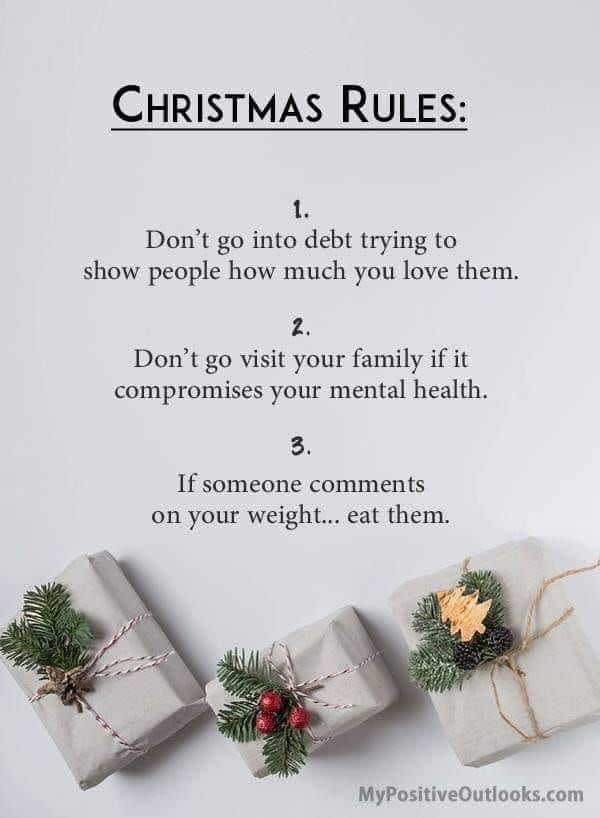
I have also found Christmas this year really difficult and anxiety provoking and it’s taken me a while to shake it off. It’s funny because there were lots of memes going round over the Christmas period about the importance of looking after yourself and taking time out and I seemed to share these with enthusiasm but not actually take any of them on board. I am probably best described as an ambivert but appear to most people to be an extravert because I talk a lot and and am happy to lead in social situations. This is misleading because I find other people kind of exhausting and I’m a real ‘personal space’ kind of person so spending a few days cooped up with literally no room to take yourself off to is hard. In an ideal world I’d spend about 60% of my time with people and 30% on my own; seeing as my job is so social I pretty much hit that 60% at work so I choose to retreat into my house like a little hermit crab most of the working week.

As my immediate family is so big there really wasn’t a spare room to coop up in over Christmas; I started Christmas eve in my mums bed due to a lack of actual sleeping spaces but my insomnia forced me to sneak out in the middle of the night, looking for any kind of available space to be awake in I managed to end up in my 13 year old brothers high bed (very rickety and terrifying, wobbled like it was about to collapse with every movement) and then the mattress on the floor of my 15 year old sisters room. We have all spent Christmases on semi deflated air beds, part of a larger tetris of sleeping bodies crammed into a study and it is this lack of physical space to take ourselves off to as well as the pressure to have a great time for an entire day that can be challenging for all of us. However much we love our families being totally mashed together isn’t good for us.

I also found the lack of routine and structure super stressful!! I should have known this because even when I have a weekend with no plans and even when I want to spend that doing literally nothing I still feel a need to do that in a formal, structured way; I choose to wear lounge clothes, cook some nice food and light some candles, I don’t seem to have the ability to just chill the frick out and lie in being a bit gross. I think this continues to be my latent ‘benefits guilt’ which is essentially that I have been told by the government for so long that I am scrounging that I feel a huge weight of pressure to prove I am not just swanning about my flat watching TV and eating junk food; even though I was more than justified to do this when I was unwell if i needed to let alone now when I work. When I was on benefits and had a terrible night of  insomnia I would rebelliously fight a nap just because it made me feel gross and dirty to be doing nothing, these days I try to remind myself that a nap is ok if I need one!

I have been reminded of this need for structure over the past two weeks whilst off work sick. Now obviously if you’re sick you need to rest but I fought against the elements most mornings, much to the frustration of my colleagues, to get into work only to be sent home on arrival. This is because a) I start to go a bit stir crazy when I have no routine AND am too unwell to implement one and b) I continue to feel a need to ‘catch up’ at work and prove my value. Again the government sits on my shoulder whispering into my ear, reminding me that I have spent a long time not working and using up public money, and that I am still ill a lot which probably makes me a burden to my organisation and team mates. I know this is unreasonable and simply not true but I continue to feel the pressure I felt when on benefits despite working full time now. Upon my return to work my Manager reminded me that I am indeed committed to my job and no one would doubt that, that I am an asset to the organisation regardless of my health that and I need to fricken look after myself better. This week I have finally called my GP, arranged a dentist appointment I’ve been putting off (turns out rightly so, they’re whipping out a tooth AND I need  filling) and am organising an eye test. It sounds ridiculous but rather than leave work slightly early to actually look after myself I power through, desperate not to be any more of a pain in the toosh than I already feel. The reality is that both my physical and mental health suffer so this years resolution is to start acknowledging that I need to apply the same work ethic I have in my job to actually looking after myself.
78275308_2402625826515872_8037248867386785792_n

What is Bipolar?

Having Bipolar does not ‘make you Bipolar’, it is is just one of your many labels, along with sister, friend, partner, family member..

Happy world mental health day!

So for this years post I thought I’d share the grownup version of explaining what Bipolar is actually like. You may remember this post that I wrote a while back for The Mighty which had to be geared for children as young as 13 which meant writing the mindful, PG version and I figured it may be helpful to write in a little more depth.

So first off Bipolar is generally split into two types, 1 and 2, Bipolar 1 is usually characterised by more mania than depression and Bipolar 2 is usually more depression than mania. For Bipolar 1 the mania usually lasts longer than a week, this may sound like no time at all but when you consider the symptoms of mania as opposed to hypomania you’ll quickly see why it’s not ideal or sustainable to be in this state for long. My Bipolar is type 1 because I initially experienced far more mania and hypomania than depression although now I tend to only experience hypomania and depression because my medication regime is aimed at curbing the mania. Because of the depression element of Bipolar it is often hard to diagnose initially because most people will go to their GP because they feel depressed, not because they feel great (although we’ll explore some of the nuances of that), the Doctor therefore sees their depression, offers them an anti-depressant which will usually send someone with Bipolar high and the cycle continues until someone is able to get an overall picture of how the person is fluctuating over a period of time. This is why I’m a big advocate of CPNs (community psychiatric nurses) because they get to develop a rapport with someone in the community which allows them to notice this in a way that GPs who see someone for short bursts erratically would not.

I would suggest that there are around 6 states for someone with Bipolar, severe depression, low mood, ‘normal’ or stable, hypomania, mania and mixed state. Normal or stable mood is essentially what everyone experiences and doesn’t mean there is no mood fluctuation at all because that would be creepy and weird and a little robotic. Normal mood for everyone involves highs and lows which are healthy and responsive to what is going on around them, it would be strange for someone to have a breakup and not feel rubbish and similarly a birth or a wedding would make most people feel pretty good. Once someone is diagnosed with Bipolar they can struggle to work out what is a normal mood and what is a warning sign for an episode, even I still struggle with this because the fear of getting unwell is so high. Recently I had to end dating someone I really liked so naturally I’m a bit mopey and miserable, that doesn’t mean I’m going down it just means I need to watch Bridget Jones and have a little cry. What someone is like when they are stable will also vary because we all have different personalities; someone who is naturally quiet and introverted might be deemed to be isolated and depressive but their stable state might simply be that they prefer their own company. Similarly I’m normally very chatty and bubbly which could be interpreted as hypomania but just means that my stable state is a bit excitable.

Low mood is essentially feeling flat but looks different for different people, it’s outside the normal fluctuations of a stable mood but it’s not acute. Someone might feel lethargic, struggle to get out of bed, not enjoy the things they usually do, feel tearful and not take care of themselves. Low mood isn’t usually linked to suicidal ideations (thoughts rather plans) but if it goes on for a long time these might develop. Low mood can be hard to distinguish from generally feeling a bit down but I would say it tends to be more prolonged and isn’t always in response to something. When I first began to feel down the most scary thing was that nothing seemed to be causing me to feel this way and up until that point I had never felt so low without it being in response to something. That can be frightening because if the mood isn’t in response to something you can feel helpless and out of control.

Severe depression is characterised by all the of the above but more intensely and can often have anxiety mixed in. For a lot of people their severe depression can be very lethargic but for me severe depression manifests in a very anxious and agitated way. I tend to feel very trapped and out of control and I struggle to regulate or self soothe at all. My severe depression can sometimes include psychosis but this usually features in my mania. For me I am most anxious when I feel this way because the feeling is so intense and awful I feel very trapped in my own skin and unable to escape the feeling. Because severe depression within Bipolar doesn’t have to be in response to stimuli (something causing you to feel this way) it can feel like there is no end in sight which can feel very overwhelming and scary. The best way I can describe severe depression is like the early stages of grief but with no clear cause and no sense that this is a natural response that will get better. My severe depression felt acute and terrifying and I used self harm as a way of feeling in control because physical pain felt more understandable than mental pain. The longer I have had Bipolar the more I understand that an episode will end and the fear around what is happening has lessened although that doesn’t stop it from feeling awful.

Hypomania is feeling elated beyond normal mood fluctuation and the best way to describe this for me is like you’ve had a couple of drinks. Hypomania feels very buzzy and productive (although the reality is that you’re often more chaotic than you realise), you have more energy and you might feel like you don’t need much sleep or food to sustain you. You might go out more (for me that’s a warning sign in itself because I do not go out and choose to live like an elderly lady in a retirement home) and you might find it harder to get drunk because alcohol doesn’t effect you in the way it usually would because you’re already feeling high. Hypomania can often cause people to overspend because they are living in the moment and not seeing the consequences of their actions, namely ‘o shit I’ll actually have no money if I do this’. Similarly people can be hypersexual which can cause them to be promiscuous or be sexually reckless such as sleeping with people they wouldn’t usually or not using contraception. People can feel more confident and assertive although in reality they might seem a little intense and full on to others. Frankly hypomania feels pretty great and my flat is usually the cleanest it can possibly be during this period because I am up cleaning cupboards at 3am but it’s hard to contain it which is why it’s important to recognise and do something about it. When you’re hypomanic you can usually still function but you’re probably more chaotic than you realise and it’s helpful for people to pull you up on that otherwise it’s easy to be like ‘hey I’ll ride this awesome wave forever and be a superhuman’ when the reality is you’re probably going to crash.

Mania can be experienced in very different ways but usually will culminate in feeling agitated and uncomfortable. Mania is like hypomania on speed, so all those good feelings and productivity become more intense and eventually unmanageable. Where you were maybe feeling hypersexual you may now be actively engaging in and seeking out risky situations. What was productivity becomes chaotic and out of control with thoughts that feel rushed and difficult to hold onto; you might become frustrated with yourself and others for not being able to keep up. You may also not realise to what extent this is happening so whilst you may feel hugely energetic and a little buzzy you might not realise that you are talking too quickly or sounding as intense as you do, you might even be saying things that are inappropriate or massively out of character. You might also feel that you are powerful and even have superpowers, that you are untouchable or someone special or chosen. Mania can include psychosis and people may feel that things are talking to them or they are being watched. My mania feels exciting but quickly feels very chaotic and stressful and it was interesting to me when I spoke to other people with Bipolar that some of them found it as euphoric as they did.

Mixed state is not experienced by everyone but is essentially a combination of low mood and hypomania, it can feel really confusing because you are experiencing so many different emotions and sensations and they don’t naturally fall into a particular state. I  feel really agitated during these because I am experiencing both hypomanic and anxious states in very quick cycles and I am not sure how to respond or contain it. People can often feel more suicidal and more likely to act on suicidal impulses or ideations because they have the energy of hypomania with the anxiety and agitation of low mood.

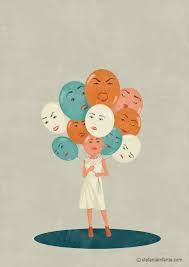
As you can see there is a huge amount of variation between episodes and this is why it’s really important to steer away from using terminology that implies Bipolar relates to feeling happy or sad. Images like this are not super helpful and are just misleading..

But things like this are a little better at exploring some of the nuances…

imagesBipolar

Hopefully that’s been a helpful overview! Please as always feel free to share! If you have any questions just drop them in the comments section below 🙂

Melted relax

20190923_205627Following on from THIS post…

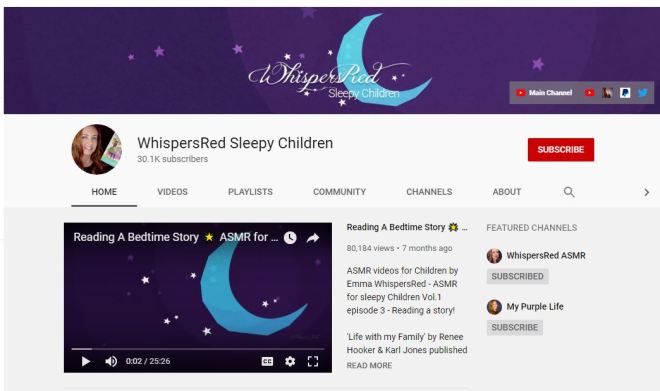
So I recently coined the phrase ‘melted relax’ (if you’ve heard it before unhear it because I really like it and feel proud I created it) which basically refers to that sensation of being a puddle you feel so gooey and relaxed. When babysitting on Sunday evening (they are 15 and 13 so the term babysitting is loose) I was showing the kids ASMR videos and they both dozed off! It made me think that ASMR should be used as a tool to relax for everyone and not just as this kitsch thing some people utilise or know about. I was then thinking that a lot of it is soft spoken or whispering which is essentially what a bedtime story is which got me to researching and finding….THIS!!!!!

It’s literally an ASMR channel for children. For anyone with kids or for any adults who like to be read to (that’s me!) then have a gander over the below.. You can find the page HERE

ASMR

P.S I promise I’ll stop going on about ASMR soon I just really feel the need to tell you all about it because it’s PERFECT for hibernating autumn background sounds!

Slime on a mic..

20190923_205627Have you ever considered what slime on a microphone might sound like? Or enjoyed the sound of someone tapping against a series of gem stones glued to their hands? Nope? How bizzare! Just kidding, that’s the norm. But let me tell you about the many weird and wonderful delights of ASMR (Autonomous Sensory Meridian Response); ASMR videos or audios produce a sensation similar to the feeling of static in your hair, kind of weirdly relaxing and tingly. A sensation that most people can relate to is when you hear something incredibly moving like an awesome singer or an amazing piece of music and it feels as though the hair on your head is standing on end – in a cool rather than scared way.


ASMR is generally made up of ‘triggers’, these are sounds or experiences that ‘trigger’ these sensations in people. Some classics are: tapping, wood, crunchy sounds like sponges, scissors cutting something, paper, hair being stroked or brushed, water, fizzing sounds, certain words/soft speaking and microphone brushing. ASMR videos tend to sit within two categories; these are ‘personal attention’ (so someone giving you a haircut or a facial) or sound/trigger based videos (e.g someone brushing a microphone with different brushes). Most good ASMR ‘Artists’ will combine the sounds and visuals to create something that can be soothing to listen to as well as watch, regardless of which category it sits under.

Personal attention videos are great for people who find the whole concept of watching someone tapping on a load of different objects a bit weird but enjoy a good haircut or spa experience. The ASMR Artist generally used a backdrop (with varying degrees of realism) along with props, sounds and movement to create a roleplay involving you basically chilling out. If you love going to get a haircut but wish you weren’t asked so many questions all the time this is for you! Whilst the ASMR Artist will often be talking softly you can relax in knowing you don’t actually have to give them the lowdown of your recent holiday to Corfu.

maxresdefault.jpg
GentleWhispering

Trigger videos are usually more whacky and made up of more sounds so you can expect to be very intrigued whilst also being lulled to sleep. For example did you know the sound of slime being draped across a microphone is the exact fricken same as the sound of the sea!?Whaaat!? who knew right? (See HERE) People are often triggered by certain types of sound, for example i find very crunchy sounds make me tingly. The microphones being used, particularly by well established Artists, are very advanced so really pick up the tiny variations in sound which is what makes it different to listening to a loop of the rain forest. Whilst some sounds are similar to naturally occurring ones you might hear in your day to day life there are plenty that sound pretty unique, such as someone tapping on wood or against a sheet of glitter paper (o yeah things can get weird!). These kind of videos are usually best with earphones in so you can really hear the nuances.

Videos will often be titled to include whether they include talking so if you’re someone who just likes the sounds then you can find videos that are purely sound based but if you like a bit of a mix you can choose a roleplay or video that includes soft speaking and sounds. I find the soft speaking super relaxing but some people find it creepy as hell so depending on whether you have a sleeping partner or you find whispers calming or terrifying will probably be your decider on the talking front.

17925994-7415423-image-a-64_1567299316423
WhispersRed

So how does this relate to mental health? Well firstly the very sensation of ‘tingles’ is seriously relaxing and calming so that alone is a great reason to check ASMR out. Secondly if your someone who struggles with sleep like i do then ASMR is a dream (ha) for creating varied sounds which lull you to sleep but also maintain your attention enough to stop your thoughts wandering and worrying. Personal attention videos are great if you’re feeling anxious as they tend to have more happening visually so you can become pretty engrossed and watch and listen to them, so I use them a lot for if I’m feeling anxious when travelling. For a while I felt self conscious in case someone saw what I was watching but then I came across a meme of a guy watching porn on his commute and figured people are doing weirder stuff.

ASMR has started to become more mainstream and as a result there are a few more kinky people making what is essentially soft porn under the guise of ASMR and i therefore feel it is my moral responsibility to direct you away from that trash and towards some of the good eggs. Some great Artists are:

Gentle Whispering ASMR – Particularly good for roleplays that feel super wholesome. HERE

WhispersRed ASMR – Good for roleplays around spas and pampering, i just wish she was my best friend..or my mother…HERE

Gibi ASMR – A well known Artist who specialises in characters and talking. HERE

ASMRMagic – Fab for sound triggers. HERE

itsblitzzz – A weird one and more of a general youtuber but how I actually discovered ASMR! I used to watch makeup tutorials because i found them so relaxing and then i found this woman and the rest is ASMR history! HERE.

Finally this guy, asmr zeitgeist is a curveball but creates awesome visuals by making his mics into characters! I can’t possibly not give him a shout out seeing as i’m currently listening to his ‘ASMR Barbershop Tingles for Sleep’ as I write this, you can view it HERE

Enjoy and goodnight! 🙂


Bipolar UK (hollaaaa people I’m on it!)

Capture


Very privileged to have had my blog post on getting a diagnosis shared by Bipolar UK. Bipolar UK is a fantastic platform for blogs, helpful information and support systems. If your more of a social media kinda person you can also follow them on Facebook (and probably all the others I just refuse to take on any more social media than absolutely necessary!). Pretty cool and definitely check them out HERE!

Capture

Join me…

Capture 8

I recently shared an interesting video around scars in the summer on my Facebook page which reminded me that due to the easy shareability of Facebook there are often really interesting videos, articles and infographics (love an infographic) that I find and share on my Facebook page but don’t tend to post over here. It’s also become more of a group than a blog so I encourage people to share their experiences too and comment on posts, if you’d like to join me over on my Facebook page just send a request over to https://www.facebook.com/groups/275143122675460/ or simply search P.S Bipolar and join the team!

cropped-untitled-design-4.jpg

Medication Side Effects

20190809_074043
I keep mine in this lovely box my friend gave me as part of a birthday present!
For this weeks re-share I thought I’d share this post on medication side effects. I recently met someone who was super anti medication (he didn’t have anything which required him to take anything which I personally feel makes it significantly easier to be anti meds). I found it so bizzare people still felt so anti something which could be doing so much good for someone; as long as there has been shared decision making (essentially a Doctor being like ‘Hey, what are your thoughts on this?’ rather than ‘Hey, you’ll be doing this’) and the person is well informed, I think medication can be hugely helpful. I’m on a great regime now which means I’m far more likely to take it which also sort of works out for the Psych team so it’s a win win for everyone to have a treatment plan in which the patient is totally on board.
That said medication is still medication and I do have the odd ‘what if I’d be totally different and I’m oblivious’ but I’m far too happy and stable to take the risk. At some point I’ll want kids and that’ll be a good reflection point for medication. This post is a great illustration of why shared decision making is important and the extent to which I’ve worked hard to not just settle with the first thing given to me. I fully acknowledge the privileged position I have been in as someone with a good education and support system which has allowed me to articulate myself and my needs well and this is why advocates in mental health are so important. However, these huge numbers of side effects are why I feel confident in the ability of medication to do good, it would have been very easy to give up but I am glad i stuck with it and have found something that works for me.

‘Committed’ Suicide

Capture

Some people aren’t aware of this, another option is ‘died by’, this replaces the judgement with the acknowledgement that suicide is complex and the person suffered from something. It’s hard for someone people to understand the distinction but the best example I can give is that we would not say a smoker committed suicide when their smoking related lung cancer ended their life, we would say they died of lung cancer. In a way this separation is similar with suicide, the death was a result of a symptom and it’s important to acknowledge the symptom in order to remove some of the judgement, disdain and anger people have around suicide.

It may be a slightly difficult read and I am much more well than when I first wrote this post so a lot of my impulsivity and back up plans no longer apply but I think the below post from 2016 explores some of these issues well. Although I am now very well I have experienced and will likely at some point experience again the most horrific emotional pain. As a result when I hear someone has died by suicide my only feeling is empathy because I understand how much pain they must have been in. I know for those who have lost a loved one to suicide there will of course be many other emotions at play because the repercussions are so wide for those left behind but from the perspective of someone who has considered suicide at multiple times since being diagnosed I can understand how people reach this point.The language is important to encourage those who have not had an experience to consider the awful state of mind someone must be in to make this decision.
Blog post (disclaimer, this may be triggering for some): https://psbipolar.com/2016/07/30/suicidal-feelings-attempts/

The inside scoop on getting a diagnosis

20200328_103131A few people have asked me recently if I can reshare some of my earlier posts for those who have joined me late in the game so for the next month or so I’m going to be resharing some of my earlier posts around Bipolar more generally that contain less (but only slightly) waffle about my day to day existence. These are hopefully more educational and shareable! Enjoy!

Here are my top 10 tips for getting the right diagnosis and accessing the support you need:

1.    Try to see the same doctor every time and any time you feel your mood shift dramatically  go and see them so they can get a sense of who you are and what you look like in different moods

2.    Ask to be referred to your local mental health team for a psychiatric assessment. Unless you present to your GP in the middle of a crisis most Doctors tend to diagnose depression. This makes sense when you think about it, do you tend to go to the GP because you feel good? Not usually, but you will go when you start to feel low; without seeing your hypomania or mania it’s easy to see how a misdiagnosis can happen. GPs actually know very little about mental health compared to a specialist and are only allowed to prescribe certain medications. For example a GP couldn’t prescribe me lithium without it being approved by a psychiatrist so it really is helpful to get referred if you can.

3.    Keep a moody diary, you can get templates online specifically for Bipolar and they’re a great way for you to see how your moods are fluctuating. If you’re already taking medications then ensure you make a note of this on your diary. A lot of GPs will initially prescribe anti-depressants which for someone with Bipolar are a no go as they can send you high; if this is reflected in your mood diary it will help a Psychiatrist to diagnose. Most Psychiatrists will initially ask you to keep a mood diary for a month to get a sense of how you’re feeling so you’ll cut time if you’re already on it.

4.    If you’re comfortable doing so then speak to your friends and family and ask them to keep note of your moods too. To save arguments you might want to ask them to keep their notes private from you until you need them, I always argue I’m just happy when I’m starting to go high and then sheepishly apologise later when I realise they were right all along.

5.    Discuss with your family about what you want to happen at different stages. For example if you can see that at points you can be so unwell that admission would be good for you then make that arrangement when you’re well. You will never want to be admitted so it makes it much easier for your family to make that decision if you’ve asked them to when you’re well. It sounds terrible but your chances of a diagnosis improve in a ward setting where they can see you in crisis and can monitor your moods more closely

6.    Use community support that is offered to you, a CPN for example is really helpful in getting a diagnosis as they can see you more frequently and get a real sense of who you are and how your moods change. CPN’s will report back to your Psychiatrist and are particularly good for feeding back an elevated mood which you might otherwise not have picked up on yourself or raised with your Psychiatrist.

7.    Engage with services, it sounds gross but the more willing you show the more support is offered to you. The NHS are very pro responsibility, this means you need to take ownership and help yourself, if you don’t and are deemed to have capacity then a lot of support is withdrawn. It sounds unfair and in some circumstances it is but if you show that you are willing to try then services are much more likely to be sympathetic. An example would be my constant changing of medication, I have been a royal pain the bum in my refusal to settle with a medication which doesn’t feel right but by making all of my appointments, taking mood diaries and following a WRAP plan I have proved that I am not being deliberately uncooperative and as a result they have pandered to my stubbornness surrounding medication.

8.    Try different forms of support out and then dismiss the ones that weren’t useful to you but crucially don’t rule anything out initially. Medications will generally feature in a diagnosis of Bipolar but these can include a range of anti-depressants (rarely), anti-psychotics, mood stabilisers and anti-anxiety medications. At the beginning I was loathe to take anything extra on top of my mood stabiliser, these days I recognise that I can sometimes curb an episode by taking an anti-anxiety medication or sleeping tablet for a few weeks. I was also offered therapy but found that I was able to articulate my feelings to my CPN effectively without the need for a therapist but some people have found this outlet very productive; without experimenting I wouldn’t have found the right plan for me or felt satisfied that it was my best option.

9.    Similar to point 9 give treatments time to settle in and take effect. You might find that something that makes you super drowsy at the beginning eases off after a week or two. When I first started taking Promethazine for anxiety I found it relaxed me a little too much and I had to take it at night, now it’s settled a little I can take it in the morning and my body is tolerant enough for it to just calm me if I’m feeling overly anxious.

10.  Listen to your gut! My mum instilled this in me from a young age and it is exceptionally useful in this instance. If your gut tells you you don’t have the right diagnosis then listen to it and discuss this with your support team when you’re calm. If you’re being told to stick out another week on a medication that is making you feel terrible then explain this rationally to your team. My gut has come in handy (aside from the IBS) many a time, from when I knew something wasn’t right with the way I was feeling at the beginning to refusing to accept weight gaining medications. As long as you have capacity and explain your thought process calmly and logically it must be taken seriously. As with anything in life a carefully thought through and explained argument will go a lot further than an over emotional and chaotic one!download

P.S Bipolar's avatarP.S Bipolar

18699781_10156226434694922_3400513435588418242_n

Here are my top 10 tips for getting the right diagnosis and accessing the support you need:

View original post 1,043 more words

Feeling Frazzled

20200328_103323

I’ve been thinking a lot recently about self-care, that’s right, the millennial, snowflake obsession with self indulgence. Or not. It still baffles me that millennials seem to have taken a hit for what is essentially 1. wanting all people to feel included, represented and safe to live their lives and 2. prioritising good mental health practises and looking after their wellbeing. Self care is hugely important for this generation where we pay extortionate amounts of rent (i calculated I’ve spent £56,000 in 7 years which makes me feel a tad nauseous) and will probably still be working as we crawl onto our deathbed. If we are going to spend most of our lives working (and lets face it if you’re in healthcare or the charity sector you probably will) then at the bare minimum we should be investing in our mental health if we can’t invest in a home.

Self care is often viewed as a luxury but really it’s just common sense, that’s not to say everyone has regular time to do so but it should still be a priority. From a selfish perspective it allows us to recharge and feel calm and grounded but even altruistically self care allows us to be present and engaged with those around us. Self care is also about insight and the ability to reflect and vocalise your needs. Last week was ridiculously busy, i did long hours at work to make up some time i was having off and then a heavy bout of socialising; all nice things but pretty full on, particularly for someone who lives alone. These days i really notice that i feel pretty stressed out when i don’t have the option of having down time on my own, it leaves me feeling a bit claustrophobic and anxious. I also find bitty days and being busy in lots of areas difficult, last Wednesday i had an important meeting all day and then a 30 minute gap to rush to a hospital appointment where i manged to lose myself in a maze of corridors leading me to promptly burst into tears on arrival. Luckily for me it was therapy which is the best type of appointment to arrive to if you’re going to start crying when you get through the door. Over the weekend i spent 6 hours travelling and when i arrived home on sunday was straight out the door to a choir rehearsal which took place at work and required me to get in my polite, being in public headspace.

On Monday i attempted to cram in an early doctors appointment before work where they refused to give me my medication based on an inaccuracy in a letter sent over by my psychiatrist and again i burst into tears. This is a lot of crying for a 7 day period so i figured i probably needed time out, i had lunch on my own at work which because i was anti social and frazzled when i first began working there has just become a norm and people leave me to it. In the evening i had planned to run but instead closed the curtains, got in comfy clothes and watched back to back love island (love it or hate it it’s good escapism). This might not be the luxurious bubble bath with a glass of wine that’s used to depict self care but sometimes self care is just about recognising when you need a breather. Having spent two nights having anti social evenings where the most i achieved was making a chilli before i crashed on the sofa i now feel significantly better.

This downtime not only means i’m not on the brink of tears at any given moment but it means i feel clearer headed at work and more present. It’s not just about recognising for myself when i need time out but it’s also about acknowledging that those around me need time out too and it’s ok for them to vocalise that. One of my best friends and i send regular voice notes on whatsapp which have become part of my morning ritual on the bus to work, this recently amped up after a break up where i struggled to not sob through my journey and she therefore felt obliged to distract me for the duration of my commute. Now i’m out of the ‘i literally feel so awful i cannot possibly be left in my own company’ and am more ‘i feel sad but have accepted this situation’ the voice notes have lessened which is probably more healthy. With my ridiculously over socialised week i paused all communication and sent her a voice note yesterday explaining what i’d been up to and that i felt totally fried. She in return texted me (literally unheard of) to explain she also felt fried and wanted to pause our daily voice notes and swap to a weekly chat that didn’t feel so overwhelming. Good self care people!

All of this has encouraged me to reflect on firstly how self aware i am these days that i am able to mentally check into my needs so easily and secondly that this is a universal issue, not a Bipolar one. Bring on the millennial self indulgence!

Some things i consider to be good self care:

  1. Time away from people when needed
  2. Listening to ASMR (google it people, you’ll either find it weird and creepy as hell or amazing)
  3. Speaking to my Manager about working out of the office when i feel overwhelmed
  4. Reading and turning off all electronics
  5. Doing my gratitude journal in the evening
  6. Not staring at my phone until the brink of sleep but reading and meditating
  7. Meditating, even if i’m rubbish at it
  8. Going for a walk and being in nature, i hate town
  9. Catching up with friends – yup sometimes i do actually want to engage rather than retreat
  10. exercising – reasonable amounts though people, lets not go overboard